


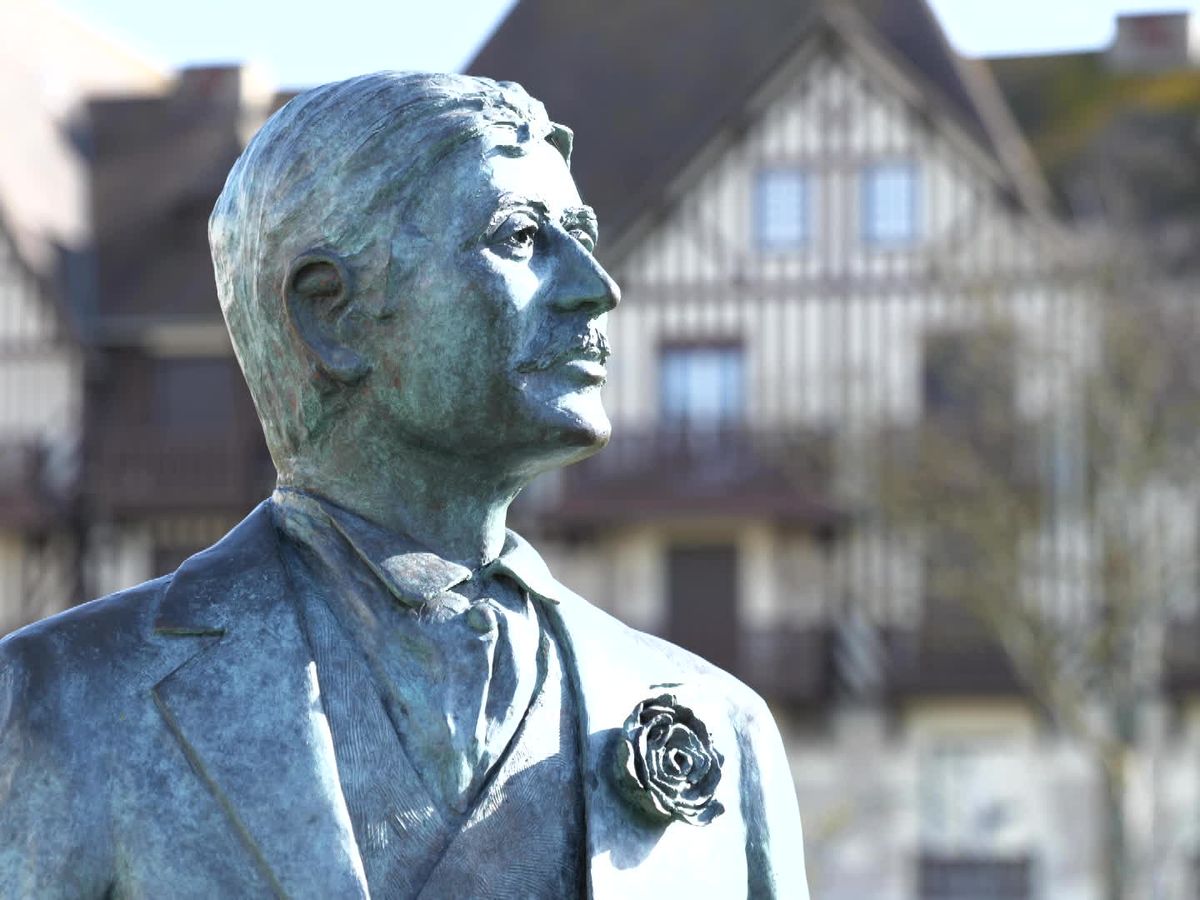
Upon hearing the name Marcel Proust, many people will remark that they have read the first 50 pages of A la Recherche du Temps Perdu (In Search of Lost Time or Remembrance of Things Past), but nothing besides that — how sad! Granted, the whole book consists of seven volumes and not everybody can read all of it, but it is worth persevering, as many Proustian followers will tell you.
Marcel Proust was born in 1871 in an elegant southwestern section of Paris called Auteuil. At the age of nine, he began suffering from numerous asthmatic crises that plagued him until his death in Paris in 1922. His father was a Catholic named Adrien Proust (1834-1903), a renowned medical doctor; his mother, Jeanne Clémence (née Weil, 1849-1905), came from a German-Jewish background. Marcel was extremely close to his mother, a very well-read lady who spoke English. Together, they translated books written by renowned English author and art critic John Ruskin (1819-1900). Marcel’s brother Robert (1873-1935) was born two years later and was closer to his father; he also became a medical doctor.
In France, the name “Marcel Proust” is mentioned almost every day by historians, journalists, writers, musicians, politicians, influencers and many others. His work is a magnificent portrait of the French society of the “Belle Époque” — the “golden years” between 1870 and beginning of World War I. Proust’s personality, life, culture and work continues to fascinate many readers, although he is not widely taught in French schools. In 1947, La Société des Amis de Proust et des Amis de Combray (SAMP) was established and now counts around 1,000 members, among them many scholars and biographers of Proust, but also ordinary people who are avid readers of the author. The purpose of the société is to gather those interested readers to attend meetings, visit places or listen to concerts all in connection with Proust’s work. The SAMP owns La Maison de Tante Léonie, classified as an historical monument since 1961, located in a small town 18 miles southwest of Chartres called Illiers-Combray.
Why Illiers-Combray? Well, Illiers is the ancestral home of Proust’s paternal family; his father Adrien and Adrien’s sister, Elisabeth, were both born there. Elisabeth, Marcel’s paternal aunt, married businessman Jules Amiot and Marcel spent his Easter vacations between 1877 and 1880 in their home in Illiers. His aunt is the inspiration for Tante Léonie in his Du Côté de chez Swann (Swann’s Way), the first chapter of the book. Her home is also described but uses Combray as the fictional name for the town.
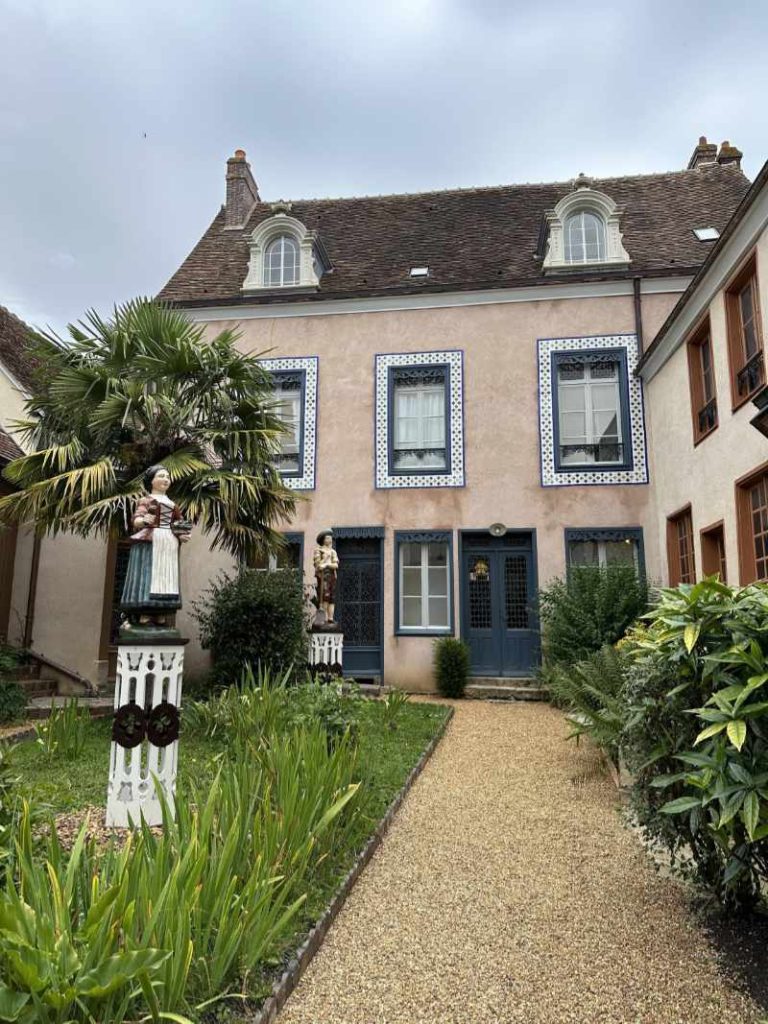
In honor of the 100th anniversary of Marcel’s birth in 1971, the town was renamed Illiers-Combray (in France, it is very rare for a town change its name).
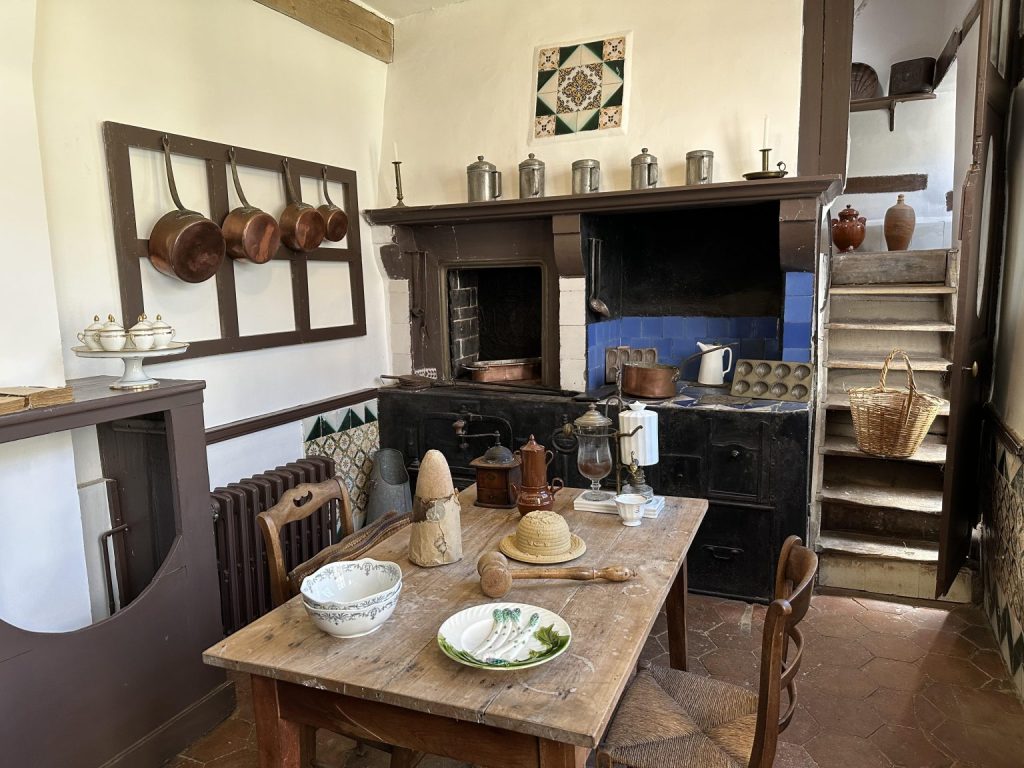
La Maison de Tante Léonie reopened in 2024 following a two-year renovation. It is decorated with furniture and memorabilia that belonged to Proust’s family. Temporary exhibits are also organized, and once a year in May, Les Amis de Proust come from all over France, to celebrate La Fête des Aubépines (Hawthorns Festival) and admire the hawthorn hedge mentioned in the novel.
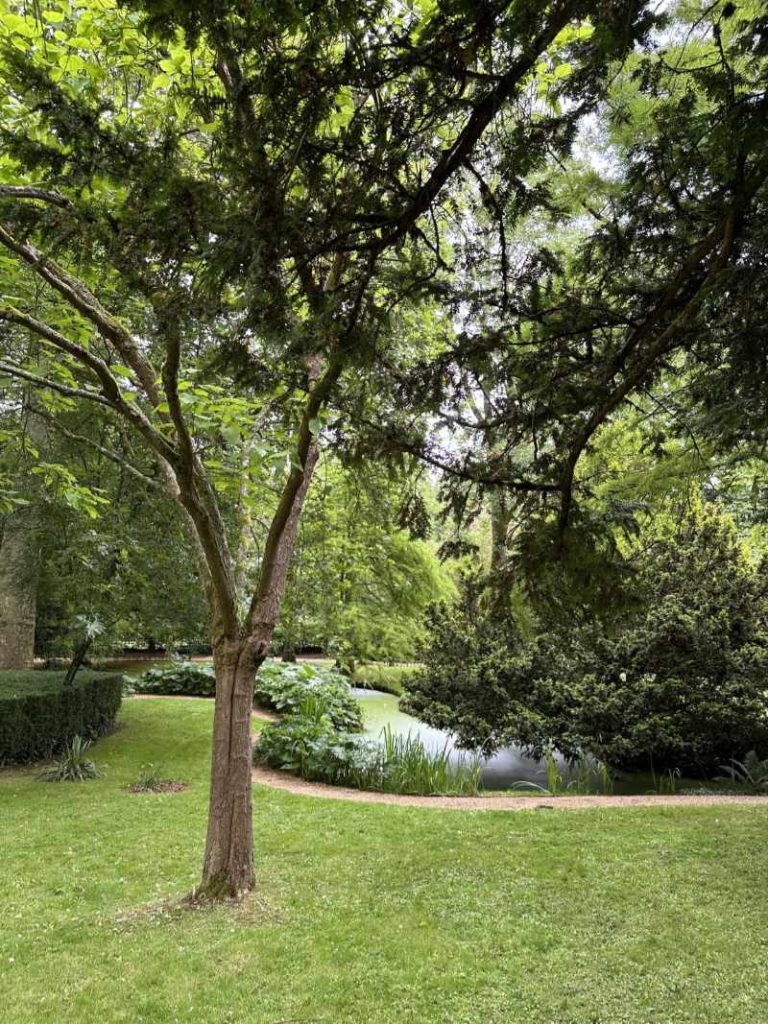
The other site not to be missed is Le Pré Catelan, an almost two-acre beautiful, peaceful garden designed by Marcel’s uncle Jules Amiot in 1850. Le Pré Catelan bears the distinguished label of Jardins Remarquables of France. It was a place where Marcel used to go and play and enjoy the beauty of the nature. The restaurant La Madeleine located in the main square serves an excellent homemade madeleine for dessert, opposite the no less interesting Église Saint-Jacques.
Proust lived most of his life in Paris, but from 1907 to 1914, he spent his summers on the coast of Normandy, near Deauville, in what became a summer resort for wealthy Parisians: Cabourg (in his novel, Cabourg is known as Balbec). In 1907 Le Grand Hôtel, a magnificent palace reflecting the typical Belle Époque architectural style, reopened and Proust found that there did not suffer as much from asthma as in Paris and led a somewhat more normal life by being awake during the day, writing a lot and going for long promenades along the beach. Today, room 414, where Proust supposedly slept, is still decorated with Belle Époque furniture remains in high demand, not only by French visitors but also by Japanese tourists, who are also avid Proust readers.
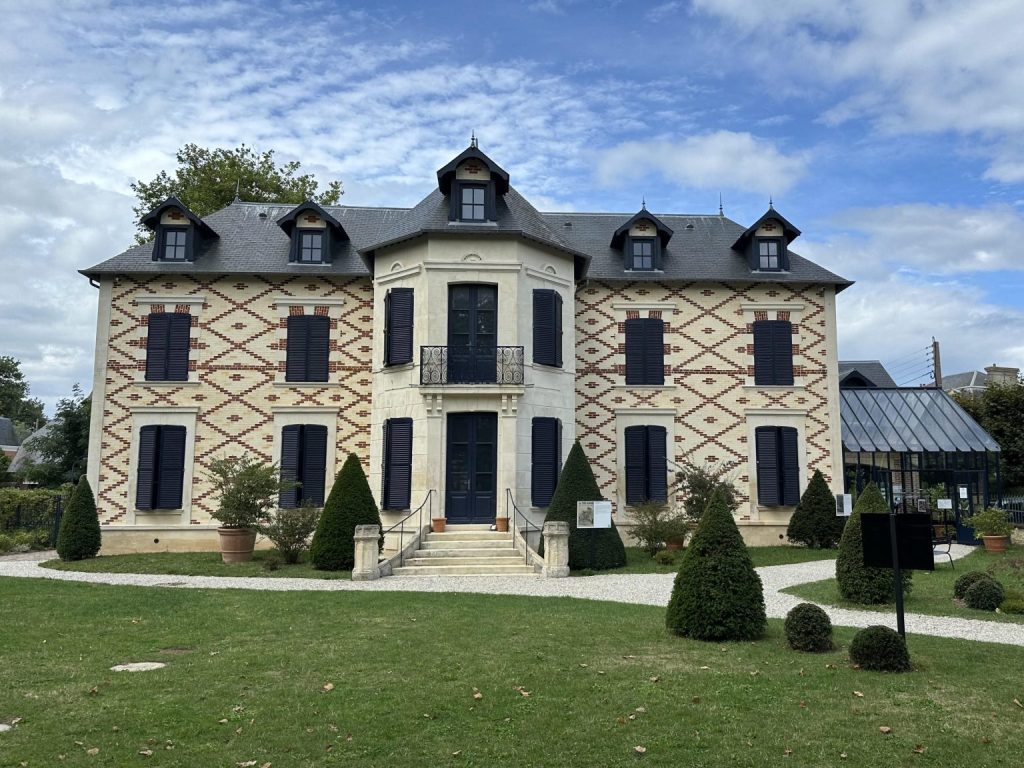
Not far from Le Grand Hôtel is La Villa du Temps Retrouvé. “It is a space consecrated to the heritage of the Côte Fleurie (the “flowered coast,” as this part of Normandy is known), to the imagination of Marcel Proust, and to the culture of the Belle Époque (Edwardian Era),” as noted in the brochure. The villa was built in a typical luxurious Belle Époque by Proust’s architect and friend Clément Parent in the 1860s. His family owned the villa until the city of Cabourg bought it; in 2021 it opened as an art museum following a major renovation.
Permanent exhibits are devoted to the artists of the time who came to Cabourg on vacation, including Jacques-Émile Blanche, who did portraits of Marcel Proust and Rosa Bonheur (1822-1899), who loved drawing animals, famed sculptor Auguste Rodin, composers Claude Debussy (1862-1918) and Erik Satie (1866-1925) and the actress Sarah Bernhardt (1844-1923), to name a few. During summer of 2025 the theme of the season was “Women Artists and Women of influence.” Another temporary exhibit is “Louis Pasteur, the Art of Science.” Louis Pasteur (1822-1895) was a brilliant chemist, who invented vaccinations; he was also a professor at the École des Beaux-arts in Paris and worked on the conservation of works of art, which is the focus of the exhibition.
According to one prominent scholar, if one wants to read Proust, it’s advisable to start with his first book, Les Plaisirs et les Jours, which is only about 150 pages and serves as a good introduction to his style.
Bonne lecture.
Published in July 2025 – Updated in November 2025
Comments